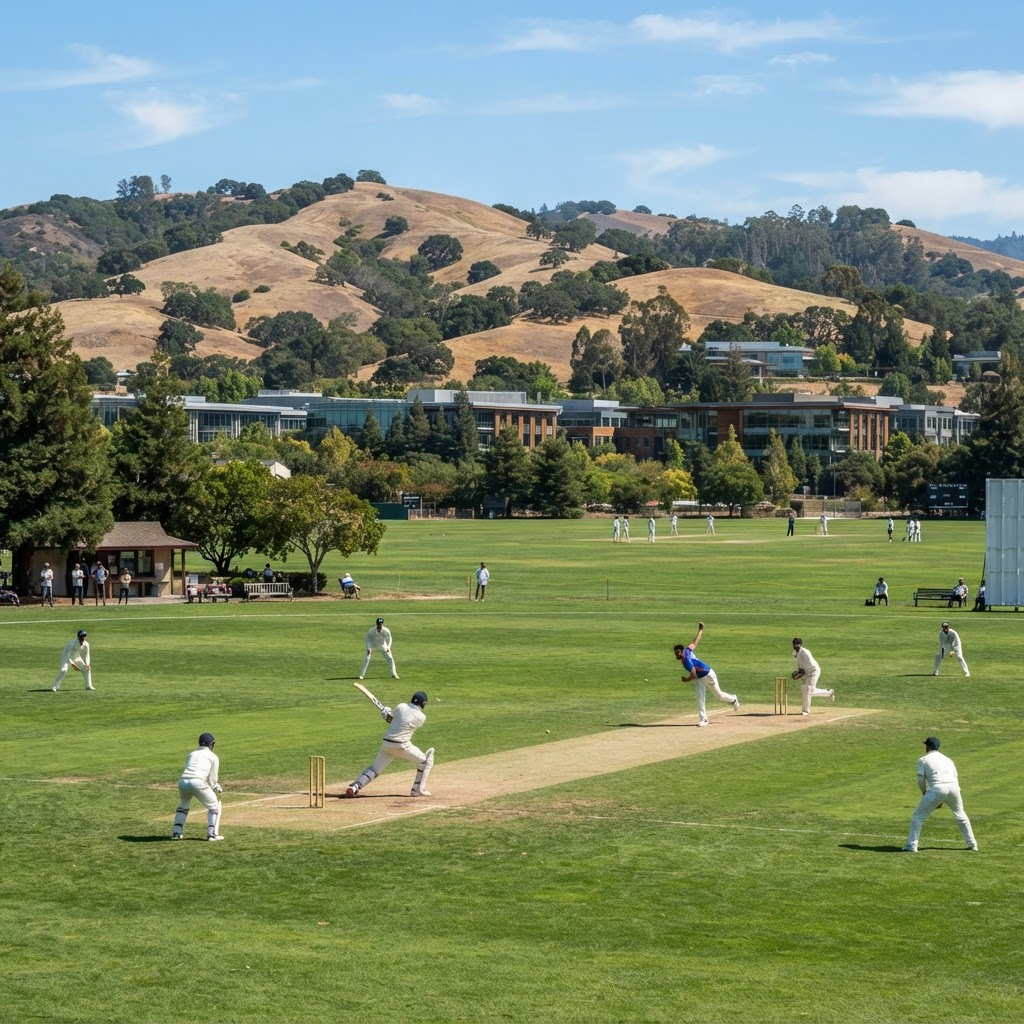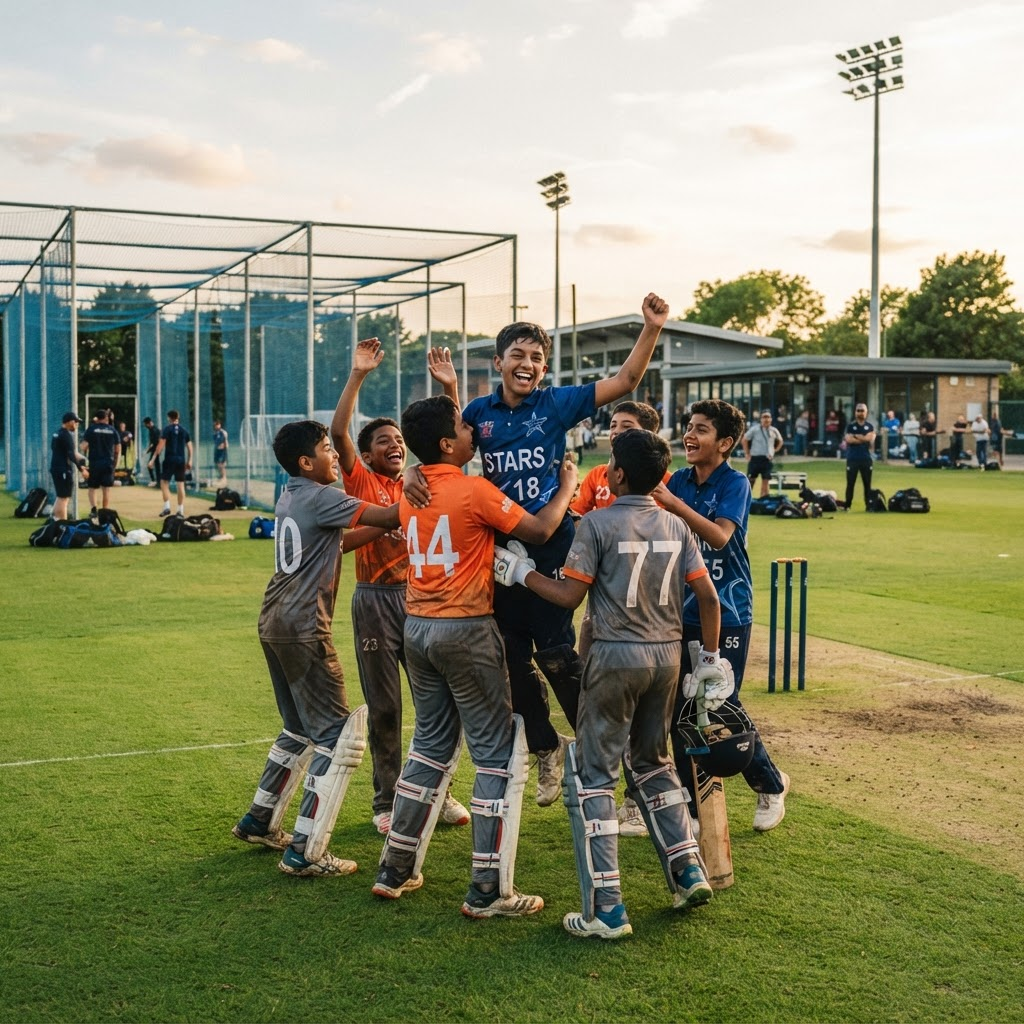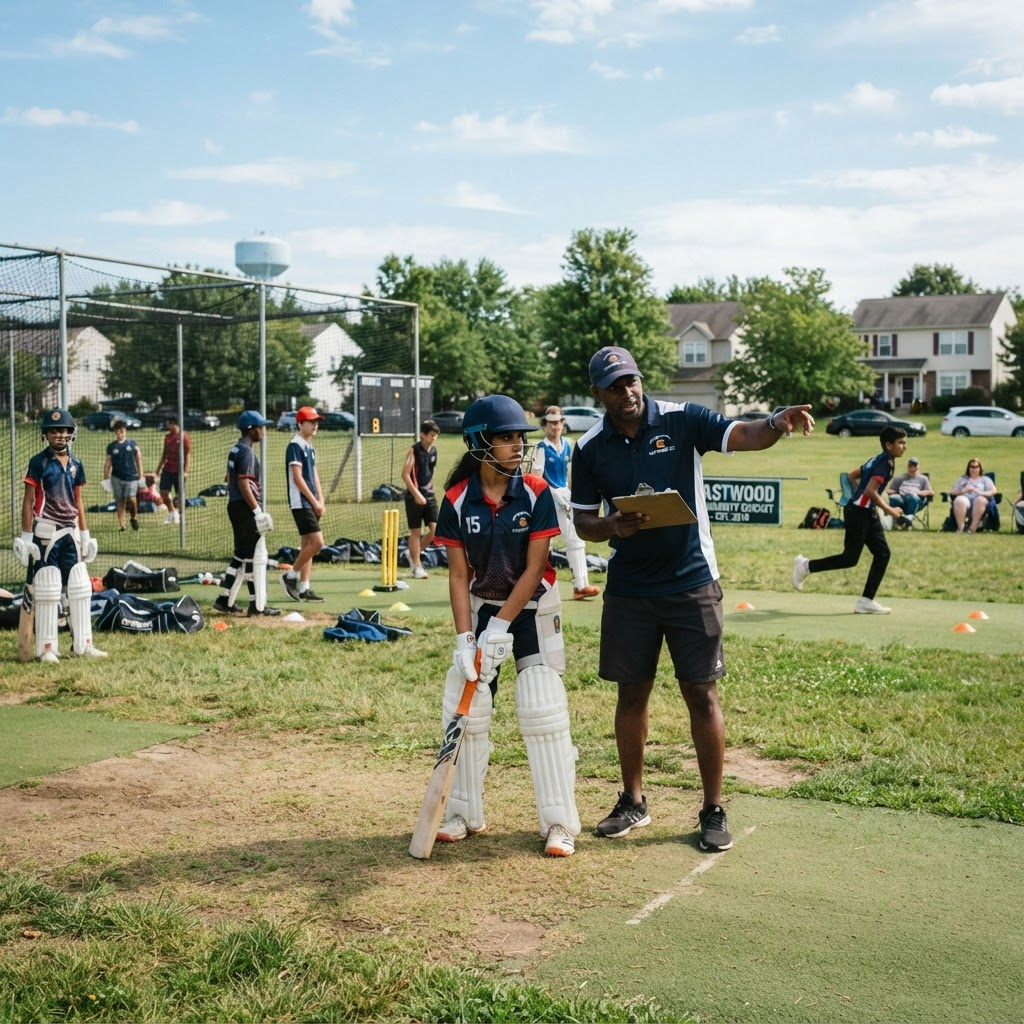
Every sustainable sporting movement is built from the ground up, and American cricket is no exception. While professional leagues capture the spotlight, the sport's long-term health depends on a much less glamorous engine: the grassroots pipeline of youth academies, school programs, and community clubs feeding talent into the system.
From Backyard to Structured Pathway
For years, young cricketers in the U.S. learned the game informally, often taught by parents who had grown up playing overseas. Today, structured academies with certified coaching, age-group leagues, and proper facilities are replacing that ad hoc model. The result is a generation of players who are learning correct technique and competitive habits far earlier.
Schools and Colleges Enter the Picture
Cricket is beginning to appear in school and college programs, giving the sport the institutional footing that basketball, baseball, and soccer have long enjoyed. When a sport lives inside the education system, it gains legitimacy, coaching resources, and a natural recruitment funnel.
The clubs that invest in coaching kids today are the ones that will produce national players tomorrow.
The Diaspora Advantage
The United States has one of the world's largest and most cricket-passionate diaspora communities. That passion translates into volunteer coaches, engaged parents, and packed weekend leagues. The challenge and the opportunity is to channel that energy into formal, well-run development structures that welcome newcomers of every background.
What Still Needs to Happen
- More turf and quality pitches so young players train on surfaces that mirror the professional game.
- Coach education programs to raise standards consistently across regions.
- Clear pathways that connect junior cricket to franchise academies and national selection.
The professional game gives American cricket its ceiling. The grassroots game determines how many players can reach it. Get the pipeline right, and the greatness will follow.